
The migration is marked green at the project meeting because the team passed its tests with sample files. The person preparing the data has just found duplicate item codes in several client files. They don’t yet know how much time the issue will cost, and the person who just said the project is on track is sitting across the table. “Everything’s fine, right?” leaves little room for that concern.
Google re:Work encourages leads to invite participation with questions and show that they’re ready to learn from the team. I look for questions that let people share what they’ve seen before they know the full impact. Google re:Work’s team effectiveness guide
Ask questions people can answer from evidence
Let the people closest to the work speak before sharing your own view. Try “Which parts of the real dataset haven’t we imported yet?” or “How many rows in the sample had duplicate codes?” Then ask what might be blocked if the larger test is due Friday. Separate confirmed observations from what still needs checking. The duplicates may be present in two files, while the team still needs to find out whether the import rejects or overwrites those rows.
A private conversation or a ticket can help someone raise a difficult issue. Let the person choose a channel that fits the concern, then agree on what needs to reach the team and who needs to see it. If the issue involves client details, use redacted evidence and the project’s approved channel.
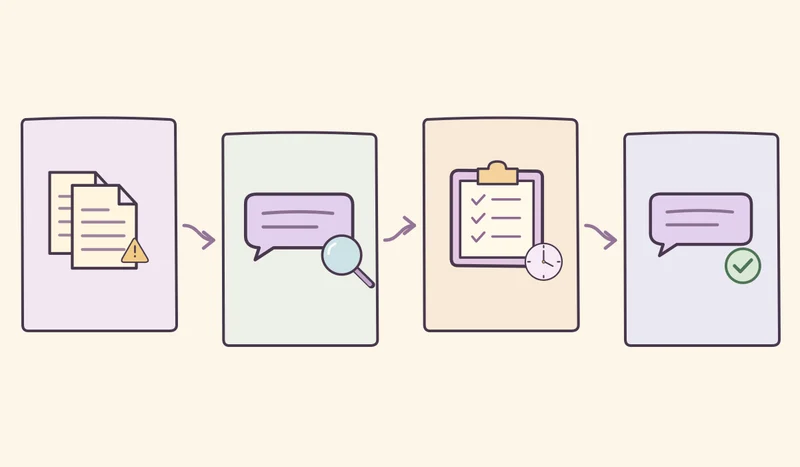
Acknowledge the concern and explain what happens next
A lead could say, “Thanks for bringing this up. I hear that the duplicates are real and we don’t know what the import will do. Is that right? Let’s have the data team try a redacted sample in the test environment and review it tomorrow before we confirm Friday.” Name an owner and a decision time. Use the team’s urgent channel immediately for critical blockers or sensitive-data incidents.
After the meeting, close the loop without making the person chase an answer. Record what the team checked, what it found, and why it kept or changed the plan. Following up shows people what happened because they raised the concern.
Try it in the next project meeting
Give everyone one minute to think about what hasn’t been tested with real data. Pick one concern that could change the plan and give it an owner and a follow-up time. The next week, check whether it surfaced before the decision deadline, whether the person who raised it got an answer, and what evidence informed the next step. If risks surface early but sit unresolved, look at who has authority to act and whether they have the capacity to do so.